
Sewer line problems often start with small signs, but early attention can help prevent bigger plumbing damage and expensive repairs.
A sewer issue rarely appears without a reason. A slow drain, strange odour, or toilet that keeps acting up can be an early clue that something is wrong below your home. In the Dallas-Fort Worth area, homes can face sewer line problems due to aging pipes, shifting soil, tree roots, and heavy plumbing use.
Learning the warning signs of sewer line problems early can help you protect your home before a small issue becomes a major repair. This guide explains the most common signs of sewer trouble, what causes them, and when you should call Premier Plumbing Solutions for help.
What Causes Sewer Line Problems?
Sewer line problems usually happen because pipes become damaged, blocked, or unable to move wastewater properly.
Your home’s sewer line carries wastewater from sinks, toilets, showers, and other fixtures to the main sewer system. Over time, several issues can affect how well this system works.
| Cause | How It Creates Problems |
| Aging pipes | Old pipes can crack, weaken, or collapse over time |
| Tree roots | Roots can enter small cracks and create blockages |
| Pipe damage | Ground movement or pressure can damage underground pipes |
| Buildup | Grease, debris, and waste can restrict water flow |
Aging Or Damaged Sewer Pipes
Older homes may have sewer pipes that have worn down after years of use. Cracks, corrosion, and weak pipe sections can allow leaks or blockages to develop.
A damaged sewer pipe can create slow drainage, sewage odors, and repeated backups. Many homeowners do not notice the issue until the damage becomes more serious. If you’re comparing PEX vs copper piping for your home, understanding pipe lifespan is a key starting point.
Tree Root Intrusion
Tree roots naturally search for water sources, and underground sewer pipes can become a target. Small roots can enter tiny cracks and grow inside the pipe.
In established Irving neighborhoods with mature trees, root intrusion can become a common cause of main sewer line issues.
Sewer Line Blockages And Buildup
A blockage can happen when grease, debris, or non-flushable materials build up inside the pipe.
A single clogged sink may not mean a sewer issue, but repeated clogs throughout your home can point to a deeper problem.
Ground Movement And Pipe Shifting
Texas soil conditions can affect underground plumbing. Soil movement may shift pipes, separate connections, or create cracks.
When pipes move out of place, wastewater may not flow correctly through your home’s plumbing system.
10 Warning Signs Of Sewer Line Problems
The biggest warning signs include backups, slow drains, unusual odors, and changes around your home. Many homeowners ignore early symptoms because they seem like small plumbing issues.
However, these signs can show that your sewer system needs attention. According to the U.S. Environmental Protection Agency (EPA), aging sewer infrastructure is one of the leading causes of basement backups and overflows in American homes. Below are common sewer line problems warning signs every homeowner should know.
1. Frequent Sewer Backups
Repeated sewage backups often mean your sewer line has a blockage or damage that needs attention.
A normal drain clog usually affects one fixture. A sewer problem can affect multiple areas of your home.
You may notice:
- Water backing up into sinks or tubs
- Sewage coming from drains
- Toilets overflowing
- Bad smells after flushing
If wastewater comes back into your home, do not wait. Raw sewage can create water damage, odors, and sanitation concerns.
2. Multiple Slow Drains Throughout Your Home
Several slow drains can point to a problem with your main sewer line instead of one clogged fixture.
A slow drain in one sink may be easy to fix. However, when your shower, toilet, kitchen sink, and other fixtures drain slowly at the same time, the issue may be deeper.
Common signs include:
- Water draining slowly from multiple fixtures
- Frequent plunging
- Clogs that keep coming back
A residential plumber in Irving can inspect the system and diagnose the issue.
3. Gurgling Toilets Or Drains
Gurgling sounds usually happen when trapped air cannot move properly through your plumbing system.
A toilet should flush smoothly without unusual sounds. If you hear bubbling or gurgling from your toilet or drain, it may indicate a blockage in the sewer line.
These sounds may happen because:
- Air is trapped inside the pipe
- Water flow is restricted
- A blockage affects drainage
A gurgling toilet can be an early sign of a sewer problem.
4. Sewage Odors Inside Or Outside Your Home
Sewer odors usually mean wastewater gases are escaping from somewhere in the plumbing system.
A healthy sewer system should keep unpleasant odors contained. If you notice a sewer smell inside your home or near your yard, it may indicate a damaged pipe or leak.
Common causes include:
- Cracked sewer pipes
- Broken seals
- Sewer gas leaks
- Drain problems
A sewer smell in yard can also point to an underground pipe issue.
5. Water Or Sewage Pooling In Your Yard
Unexpected wet spots or sewage near your yard may indicate a leaking sewer line underground.
Your lawn should not have unexplained wet areas when there has been no recent rain.
Watch for:
- Standing water
- Bad odors outside
- Wet patches near sewer lines
- Unusual lawn growth
A leak in your sewer line can damage your yard and create bigger plumbing issues if ignored.
6. Unusually Green Or Fast-Growing Grass
Extra green grass near a sewer line can happen when wastewater adds nutrients to the soil.
A small patch of healthier-looking grass may seem harmless, but it can sometimes indicate a leaking pipe underground.
This is especially important when it appears with other signs, such as:
- Sewer odors
- Wet soil
- Slow drains
- Sewage backups
7. Repeated Drain Clogs After Cleaning
Drain clogs that keep returning may mean the problem is deeper than a simple blockage.
Many homeowners try drain cleaners or basic cleaning methods first. These may help temporarily, but they do not always solve problems inside the sewer line.
Recurring clogs may happen because of:
- Tree roots
- Heavy buildup
- Damaged pipes
- Sewer restrictions
Professional inspection helps identify the real cause.
8. Water Damage, Moisture, Or Foundation Concerns
Hidden sewer leaks can create moisture problems that affect your home’s structure.
A damaged sewer line can allow water to collect around your property. Over time, this moisture may contribute to:
- Mold growth
- Floor damage
- Wall moisture
- Structural concerns
Unexplained moisture around plumbing areas should not be ignored.
9. Toilet Problems Throughout The House
Multiple toilet issues can signal a sewer problem affecting your entire plumbing system.
Toilets connect directly to your sewer line, so they often show early signs of trouble.
Look for:
- Toilets that flush slowly
- Water levels that change
- Bubbling sounds
- Frequent backups
If more than one toilet has problems, the issue may involve the home’s main sewer line. In that case, calling an emergency plumber in Irving is often the fastest way to get answers.
10. Older Sewer Lines Or Frequent Plumbing Repairs
Older pipes and repeated repairs can indicate your sewer system may need larger solutions.
Constant repairs can become frustrating and expensive. If the same issue keeps returning, the pipe may have deeper damage.
Signs of an aging sewer line include:
- Frequent backups
- Repeated drain cleaning
- Cracks or leaks
- Poor drainage
A plumber can determine whether repair or replacement makes more sense.
How Do Plumbers Find Sewer Line Problems?
Plumbers use inspections and testing tools to locate sewer problems without guessing. Finding the exact cause helps homeowners choose the right repair option. A professional plumber checks the sewer system carefully before recommending work.
Sewer Camera Inspection
A sewer camera inspection allows plumbers to see inside underground pipes and find damage.
During this process, a small camera moves through the sewer line to check for:
- Cracks
- Tree roots
- Blockages
- Broken pipe sections
- Buildup inside the pipe
This helps plumbers diagnose the issue before starting repairs.
Drain And Sewer Flow Testing
Flow testing helps determine how well wastewater moves through your plumbing system.
A plumber checks for restrictions that may slow drainage or cause backups.
This can reveal:
- Partial blockages
- Poor drainage
- Sewer line restrictions
Locating The Exact Problem Area
Finding the damaged section helps prevent unnecessary repairs.
Modern inspection methods allow plumbers to identify where the issue exists before opening floors or digging areas of your yard.
This approach saves time and helps create a more accurate repair plan.
When Should You Call A Plumber For Sewer Line Problems?
You should call a plumber when you notice repeated backups, odors, or drainage issues that do not go away.
Some homeowners wait until the problem becomes severe. However, early service can help prevent more expensive repairs.
Call a professional if you notice:
- Multiple slow drains
- Sewage odors inside or outside your home
- Repeated toilet backups
- Water pooling in your yard
- Gurgling sounds from drains
- Plumbing problems that keep returning
For homeowners in Irving and nearby DFW communities, quick action can help prevent sewer issues from affecting your home’s plumbing system. You can review plumbing service costs or check emergency plumbing service costs before you call so you know what to expect.
Premier Plumbing Solutions helps homeowners identify sewer problems and provides professional plumbing services for sewer inspections, repairs, and replacements.
What Are The Common Sewer Line Repair Options?
Sewer repair options depend on the condition, location, and damage level of the pipe.
After inspection, a plumber can recommend the right solution based on the problem. For a detailed comparison of approaches, see our guide to trenchless vs. traditional sewer repair.
| Repair Option | Best For |
| Sewer line cleaning | Minor buildup and small blockages |
| Spot repair | Small damaged pipe sections |
| Sewer line replacement | Severely damaged or aging pipes |
| Trenchless repair | Certain pipe repairs with less digging |
Sewer Line Cleaning
Cleaning can remove buildup when the pipe is still in good condition.
This option may help with:
- Grease buildup
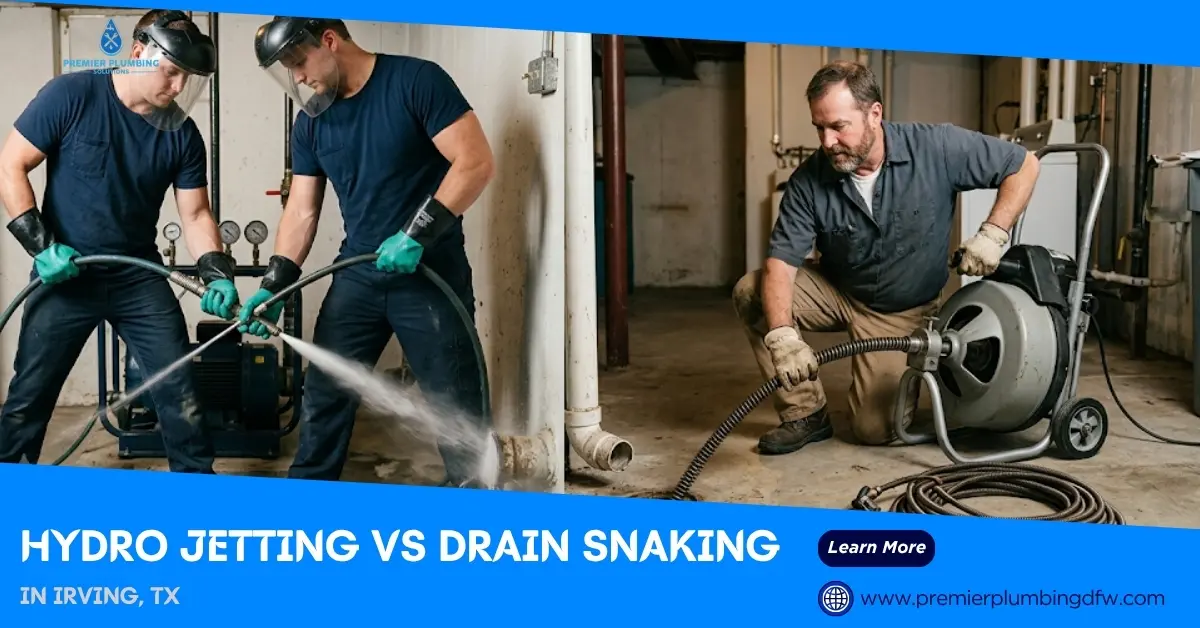
- Minor blockages
- Drain restrictions
However, cleaning may not fix problems caused by cracked or damaged pipes.
Spot Sewer Repairs
Spot repairs fix specific damaged areas without replacing the entire pipe.
A plumber may recommend this when the inspection shows:
- One cracked section
- A damaged connection
- A small leak
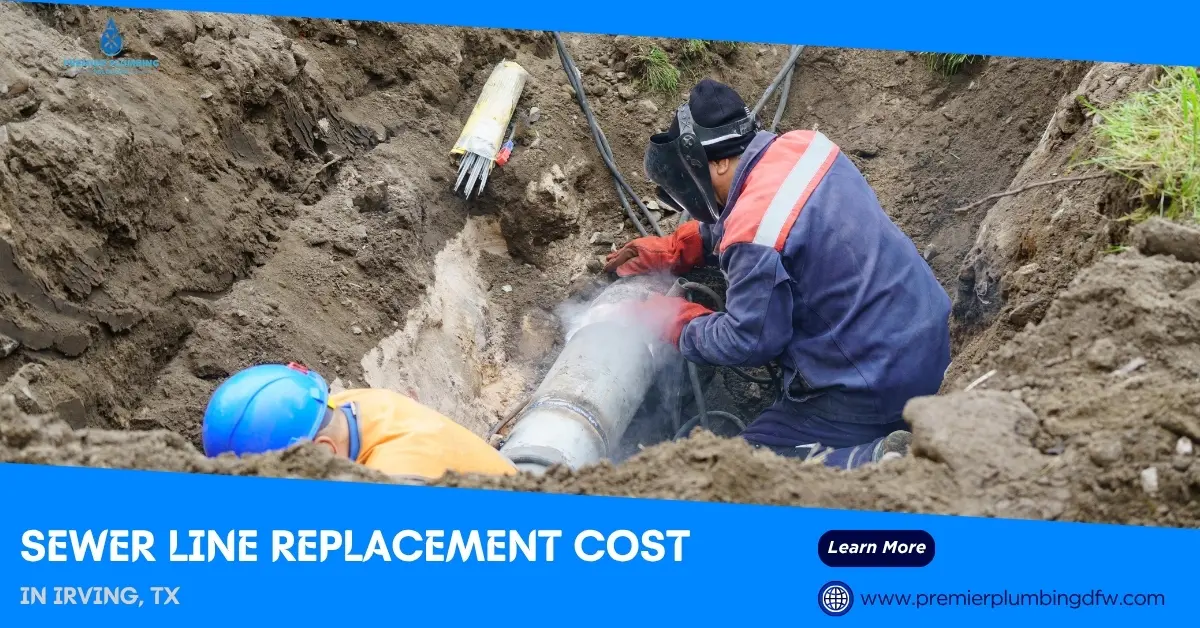
Sewer Line Replacement
Replacement may be needed when pipes have severe damage or repeated failures.
Signs that replacement may be necessary include:
- Frequent repairs
- Collapsed pipes
- Extensive cracks
- Aging sewer systems
Trenchless Sewer Repair
Trenchless methods can repair some sewer problems with less digging than traditional methods. This option may reduce disruption around your yard, depending on the pipe condition and repair needs.
FAQs
What Is The First Sign Of A Sewer Line Problem?
The first signs are often slow drains, unusual odours, and repeated backups. A single clog may not mean a sewer issue, but several problems happening together can indicate a deeper plumbing concern.
Can A Clogged Drain Mean A Sewer Issue?
A clogged drain can sometimes point to a sewer problem, especially when multiple drains are affected. If several fixtures drain slowly or back up together, the main sewer line may need inspection.
How Do I Know If My Sewer Line Needs Repair Or Replacement?
A plumber can determine repair or replacement needs through a sewer inspection. Camera inspections help identify cracks, blockages, root damage, and pipe conditions. You can also explore our comparison of trenchless vs. traditional sewer repair methods to understand your options before calling.
How Long Do Sewer Lines Usually Last?
Sewer line lifespan depends on pipe material, installation quality, soil conditions, and maintenance. According to the American Society of Civil Engineers (ASCE), much of the country’s wastewater infrastructure is aging past its intended service life. Older pipes may need attention sooner, especially if they show repeated problems.
Does Homeowners Insurance Cover Sewer Line Repairs?
Coverage depends on your insurance policy and the cause of the damage. Many standard policies do not cover normal wear and tear, so homeowners should review their coverage details.
Do Not Ignore Sewer Line Warning Signs
Recognising sewer problems early can help you avoid major damage and protect your home. If you notice warning signs of sewer line problems in your Irving, TX home, Premier Plumbing Solutions can help diagnose the issue and recommend the right solution.
The team at Premier Plumbing Solutions provides professional plumbing services for sewer inspections, repairs, and replacements throughout Irving and the DFW area. Whether you’re in Carrollton, Farmers Branch, Bedford, or anywhere across our service areas, help is close by.
Do not wait until a small plumbing issue becomes a major repair. Early inspection can help protect your property and keep your plumbing system working properly. Contact us today to schedule your sewer line inspection.